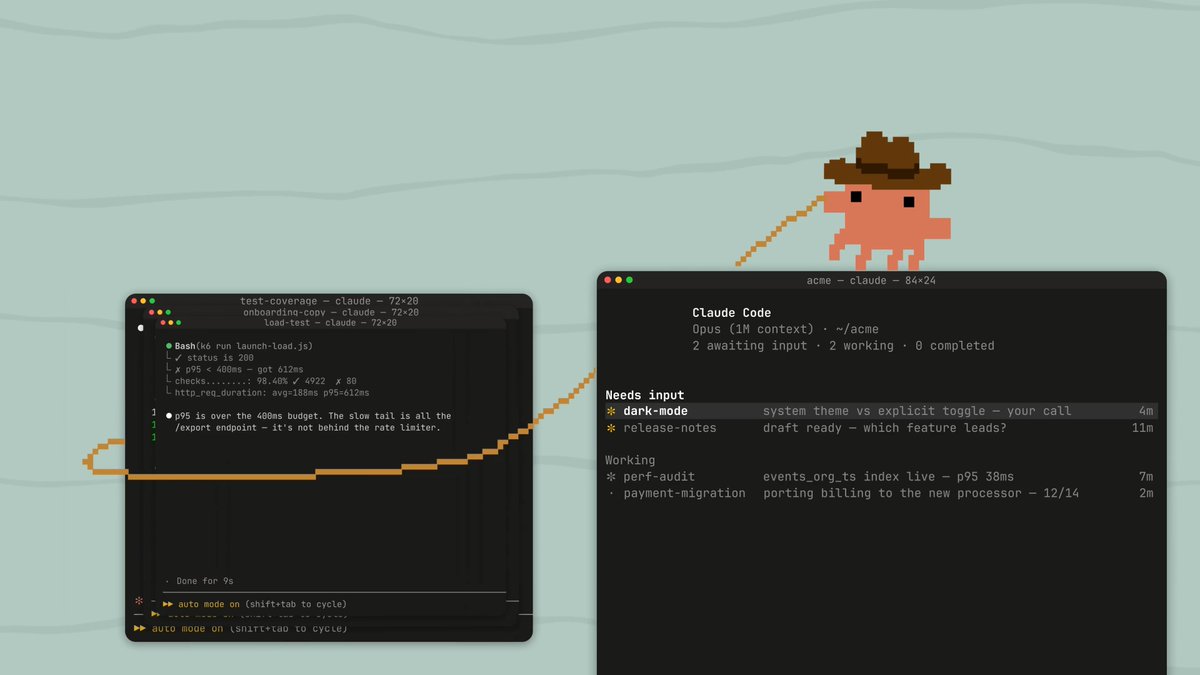
Claude announced a partnership with SpaceX that expands its compute pool, allowing higher usage caps for Claude Code and the Claude API. The tweet notes the deal will "substantially increase our compute capacity" and lift usage limits for developers Claude partnership announcement.
What the boost actually means
The increased capacity translates to higher token quotas per month for the Claude API and Claude Code. In practice, teams that were throttled at, say, 10 M tokens can now push beyond that ceiling without manual quota requests. This is useful for CI pipelines that generate code snippets or for chat‑based assistants that need longer context windows.
Cost implications
Claude’s pricing model remains per‑token, so the per‑unit cost doesn’t change with the new limits. However, the higher caps mean you can consume more tokens before hitting a hard ceiling, which may increase monthly spend if you scale usage. Startups should watch their token budgets and consider moving to a higher‑volume pricing tier if the new limits enable more extensive workloads.
Caveats and lock‑in risk
While more compute sounds beneficial, the partnership does not guarantee lower latency or faster response times; the extra capacity is shared across all Claude users. Additionally, relying heavily on Claude’s API deepens vendor lock‑in, and any future pricing revisions could affect long‑term cost predictability. Teams should benchmark their current workloads against the new limits before committing to larger production use.
When to try it
If your project already uses Claude for code generation or chat features and you’re hitting the existing token ceiling, enable the higher limits now and monitor token consumption for a week. If you stay within budget and see no degradation in response time, consider migrating more workloads to Claude to consolidate tooling.