For most of social media's history, users had very little say in how content reached them.
Platforms built recommendation systems, optimized engagement metrics, and continuously adjusted ranking signals behind the scenes. Users could influence the algorithm through likes, follows, comments, and watch time, but they couldn't directly control it.
That model is beginning to change.
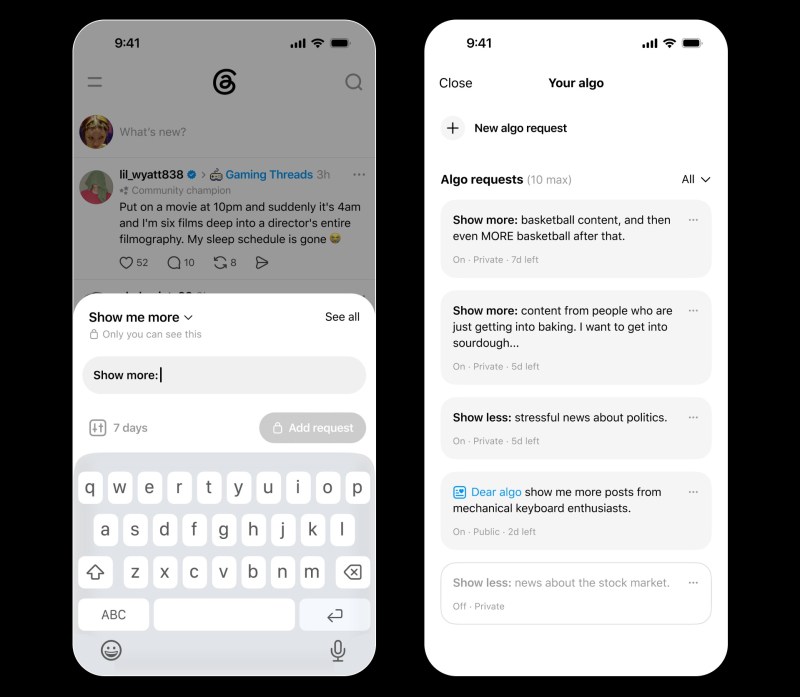
Recent developments across social platforms suggest a new direction for social media: user-controlled algorithms. Instead of accepting a single recommendation system chosen by the platform, users may increasingly be able to customize how content is ranked, discovered, and prioritized.
The shift may seem subtle today, but it could represent one of the biggest changes in social media since the transition from chronological feeds to algorithmic feeds.
What Are User-Controlled Algorithms?
User-controlled algorithms allow people to influence or customize how content is recommended to them.
Traditionally, platforms controlled nearly every aspect of content ranking. The platform decided which posts appeared first, which creators received visibility, and which topics gained momentum.
With user-controlled algorithms, some of that decision-making power shifts back to users.
Instead of relying on a single ranking model, users may be able to:
- Prioritize specific interests.
- Reduce certain content categories.
- Adjust recommendation preferences.
- Choose between multiple feed styles.
- Follow community-created recommendation systems.
The goal is not to eliminate algorithms. It is to give users greater influence over them.
Why Social Media Is Moving In This Direction
Users Want More Control
Many users feel disconnected from the systems determining what appears in their feeds.
A growing number of people want greater transparency and more direct control over content recommendations.
Platforms that offer customization can create a more personalized experience while reducing frustration associated with unwanted content.
Distrust of Black-Box Algorithms
For years, recommendation systems operated largely behind the scenes.
Users often had no clear understanding of why certain posts appeared while others disappeared.
Greater control can help rebuild trust by making recommendation systems feel less mysterious and more predictable.
Competition Is Changing
New social platforms are experimenting with different approaches to content discovery.
Some decentralized and open social networks are exploring customizable feeds and community-driven recommendation systems.
As competition increases, feed customization may become a differentiating feature.
AI Makes Personalization Easier
Advances in AI allow platforms to build more sophisticated recommendation systems while offering users greater flexibility.
Instead of a single algorithm attempting to satisfy everyone, AI can help create highly personalized experiences based on individual preferences.
Instagram's Latest Move Is Part of a Bigger Trend
Recent social media updates focused on giving users more influence over recommendations are often viewed as standalone product features.
That interpretation misses the bigger picture.
The story isn't a new settings menu.
The story is a gradual transfer of control.
Social platforms increasingly recognize that users want more influence over how content is discovered, consumed, and prioritized.
What begins as feed customization today could evolve into entirely personalized recommendation systems tomorrow.
The platforms may still build the infrastructure, but users could increasingly decide how that infrastructure operates.
What This Means for Creators
Creators have spent years trying to understand and adapt to platform algorithms.
Many content strategies revolve around maximizing reach within a system largely controlled by the platform.
User-controlled algorithms could change that relationship.
Instead of optimizing for one recommendation engine, creators may need to consider multiple audience preferences and discovery paths.
This could reduce dependence on a single ranking formula while rewarding creators who build stronger audience relationships.
The creator economy may gradually shift from algorithm-first strategies toward audience-first strategies.
What This Means for Brands and Marketers
For marketers, algorithm customization creates both opportunities and challenges.
On one hand, users who actively choose content preferences may become easier to target with relevant messaging.
On the other hand, relying on platform-specific algorithm tactics may become less effective if users can adjust recommendation settings themselves.
This shift could encourage brands to focus on:
- Stronger communities.
- More valuable content.
- Audience trust.
- Long-term engagement.
As users gain more control, quality may become a more sustainable advantage than algorithm optimization.
The End of the One-Size-Fits-All Feed
The current model assumes that one recommendation system can serve billions of users.
That assumption is becoming harder to defend.
Different people consume content differently. Some want educational content. Others prioritize entertainment. Some prefer niche communities. Others want breaking news.
A single algorithm cannot perfectly satisfy every preference.
User-controlled algorithms represent an attempt to solve this problem by allowing users to shape their own experience rather than relying entirely on platform decisions.
Final Verdict
The future of social media may not be better algorithms.
It may be better control over algorithms.
For more than a decade, platforms determined what users saw and when they saw it. The next phase of social media could give users greater influence over those decisions.
Companies will still build the systems. They will still maintain the infrastructure. They will still design the recommendation engines.
But increasingly, users may decide which algorithm deserves their attention.
And that could become one of the most important shifts in the future of social media.