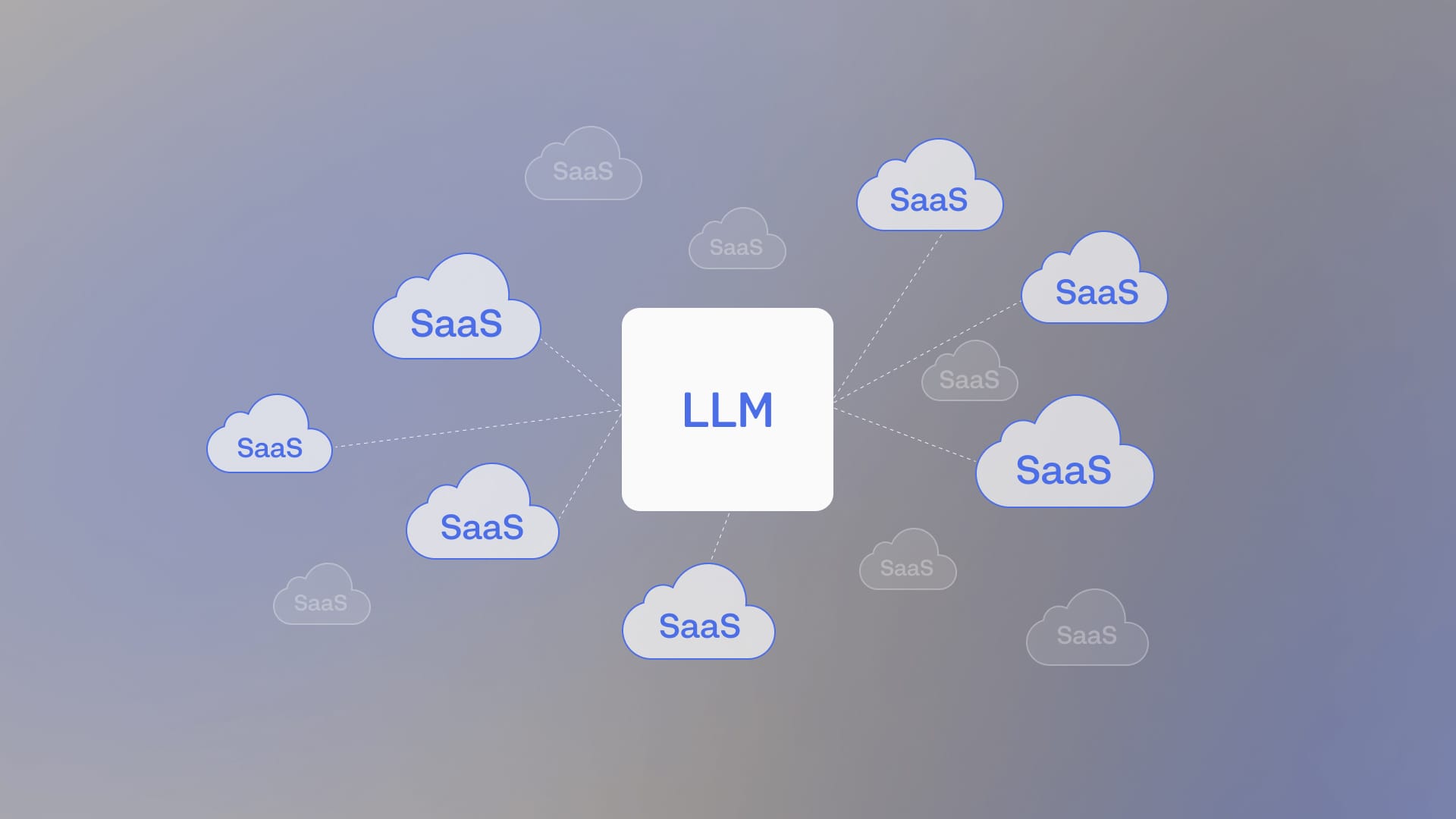
AI agents aren't ending SaaS, but they're breaking the seat-based model that funded much of it. A Thoughtworks panel rejected the "death of SaaS" story and named four areas of change: build vs. buy, pricing, operating culture, and architecture. The panel's views are anecdotal. The firmer evidence comes from a 300-vendor survey by Teneo. For a bootstrapped founder, the question is which shift changes your product or price this year.
Pricing Is Moving Off the Seat
When one agent does the work of several people, per-seat pricing measures the wrong thing. Teneo's survey, fielded from December 2025 to January 2026, asked vendors how they capture value from AI. Usage-based models led at 38%, hybrid followed at 33%, and seats came third at 26%.
Vendors already expect seat cuts to hurt. Of respondents, 93% worry that seat reductions could lower 2026 revenue. Among those worried, 40% plan hybrid models alongside seats, and 14% expect to move away from seats entirely.
Outcome pricing is still rare. Only 2% of respondents use it for AI monetization. For most founders, hybrid is the practical middle ground.
Treat one popular figure with caution. Thoughtworks cites Teneo research claiming 78% of tracked vendors moved to hybrid pricing in 2026, with a 30/70 fixed-to-variable split. I couldn't find those numbers in Teneo's survey, so don't cite them without the original source.
Proof of Value: ROI in Dollars
Buyers now ask for the math. Teneo reports that 80% of vendors face higher ROI quantification demands in sales conversations than they did in 2024. The panel's advice is to tie AI deployments to dollar outcomes rather than generic "AI strategies."
Price what you can measure. Pick an outcome you can count, such as tickets resolved or invoices processed, and record the baseline before you sell it.
Renewals are getting harder. Teneo found that 51% of vendors expect more customer pushback than usual, and 31% said pricing and negotiation was where their sales performance slipped most in 2025.
Build vs. Buy
Agentic tools lower the cost of building. Thoughtworks says enterprises are reclaiming parts of their stack and controlling their own data and context. One panelist described Kernel Foods building its own back-office system on one application and one central data store instead of buying fragmented restaurant software. That's a single example, not a measured trend.
Your product now competes with a build option. If a buyer's team can assemble a workflow with an agent, your value has to sit in what they can't easily build: proprietary data, distribution, domain rules, or support.
Systems of Record Become Systems of Context
The panel suggests core platforms could become data layers. It says Salesforce, SAP and Workday may turn into "systems of context," with frontier AI models as the conversational interface. The term comes from Sierra Ventures, which argues that competitive advantage moves from organizing data to understanding it. Sierra names Salesforce, Oracle and Workday as early winners of the first wave, but makes no prediction about their future.
Bolting AI onto legacy software is hard. Sierra puts it plainly: "Retrofitting context-aware logic into legacy systems is hard." If your product is a record system, start by making its data usable by agents.
Frontline Users Need Directed Interfaces
Blank chat boxes don't serve frontline workers. Kernel's Tom Cortese argues that frontline workers need directive interfaces. This is panel opinion, not survey data, but it matches what most workflow tools learn the hard way.
Design around the task. Give workers buttons, forms and prompts tied to the job, and keep the free-form chat for when they need it.
Recommendation Blocks
Consider hybrid pricing if: - Your AI has a real cost that rises with usage - Your buyers will accept a base fee plus usage Keep per-seat pricing if: - Your buyers still pay per user - Your seat count is stable and your AI cost is small Build a context layer if: - Your product holds data that other agents need to read and act on - Buyers already ask how your data connects to their other tools Stress-test against a build option if: - A buyer's team could assemble your core workflow with an agent in weeks - Your value depends mostly on the interface
A Decision Framework
Step 1: Name the unit of value. Decide whether you charge per user, per task, or per outcome.
Step 2: Check AI cost per unit. If usage drives cost, a hybrid model protects your margin.
Step 3: Measure a baseline. Record the before state and quantify the gain in dollars.
Step 4: Find what buyers can't build. Identify the data, workflow or support that makes your product hard to replace.
Step 5: Design for the frontline user. Test with the people who use the product daily, not only the buyer.
Bottom Line
SaaS is being redefined, not replaced. The panel's views are useful, but the strongest evidence is Teneo's survey: seats are losing ground, usage and hybrid models are the most common ways to capture AI value, and buyers want proof in dollars. Price on the unit of value, measure the baseline, and build what buyers can't assemble themselves.
Explore More on Automation Opportunities
Visit Bitroot's homepage for founder guides, tools, and automation resources built for early-stage SaaS teams.