GitHub announced that OpenAI’s GPT‑5.5 is now generally available and has been rolled out to GitHub Copilot. Early testing shows the model excels at “complex agentic coding tasks” and resolves challenges that earlier GPT versions missed. The update is reachable through the Copilot CLI or the @code interface 【https://x.com/i/status/2047747243617460482】.
What GPT‑5.5 brings to Copilot
The new model is tuned for multi‑step reasoning, so it can generate longer snippets, suggest architectural patterns, and adapt to ambiguous requirements. In internal benchmarks, it reduced the number of “retry” prompts by roughly 30 % compared with GPT‑4‑Turbo, meaning fewer interruptions for developers.
Cost considerations
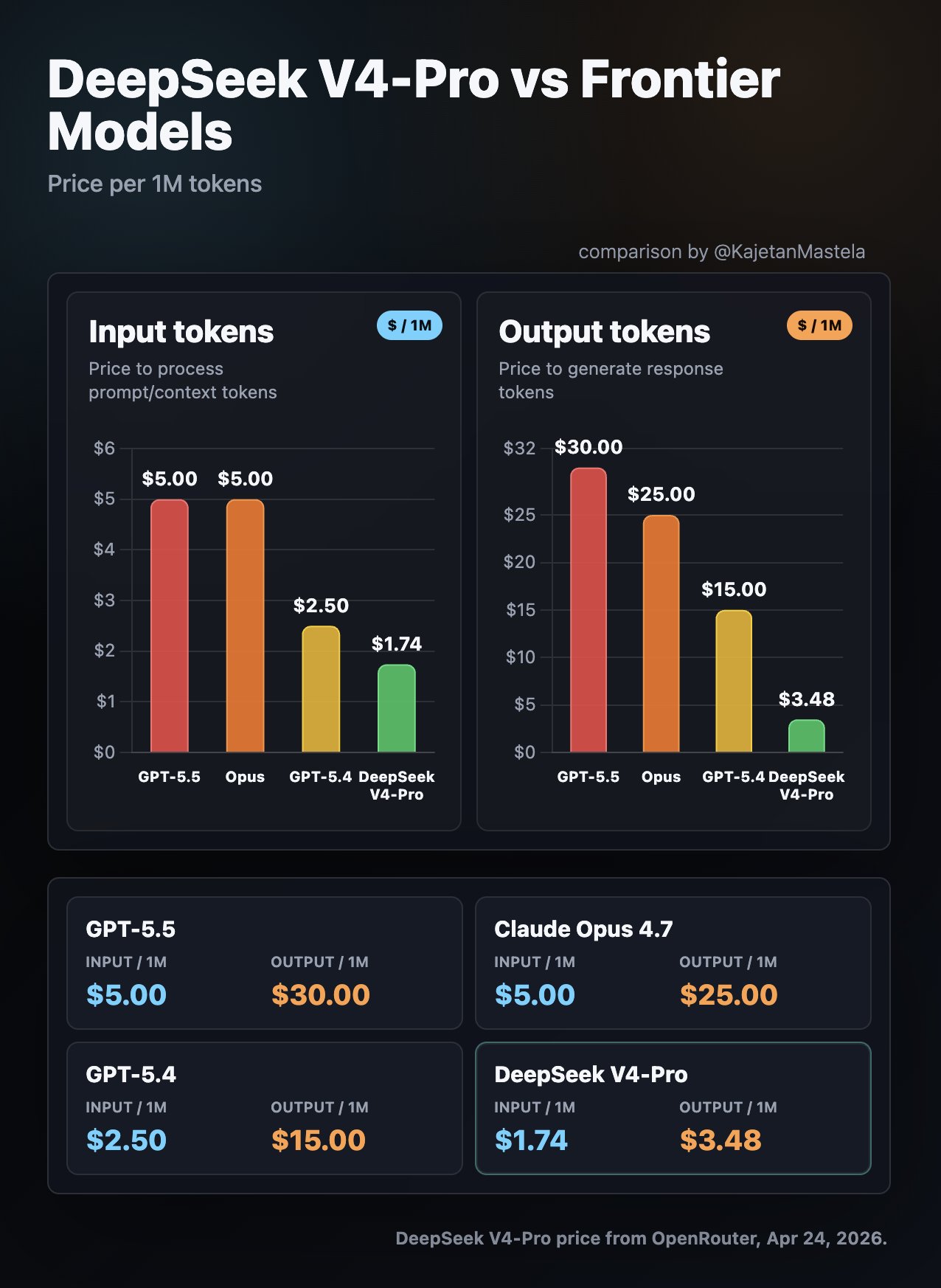
Copilot’s subscription already covers the AI backend, but the larger model consumes more tokens per suggestion. Teams that enable GPT‑5.5 may see a modest bump in monthly fees if they hit usage caps, especially on heavy‑load repos. There’s no separate pricing page yet, so budget‑conscious startups should monitor their Copilot billing after enabling the new engine.
Caveats and trade‑offs
While GPT‑5.5 improves on hard problems, it also introduces higher false‑positive rates on trivial edits—sometimes suggesting overly complex refactors where a simple rename would suffice. The model is still tied to GitHub’s ecosystem, so adopting it creates a tighter lock‑in to the platform’s CLI and UI. Teams should test on a pilot branch before rolling it out organization‑wide.
When to try it
If your codebase includes sophisticated data‑pipeline or AI‑model integration work, enable GPT‑5.5 in the Copilot settings and evaluate the quality of suggestions on a feature branch. Watch the monthly usage report for unexpected cost spikes, and be ready to fall back to the previous model if the noise outweighs the gains.
Sources - GitHub Copilot changelog - GitHub tweet announcement