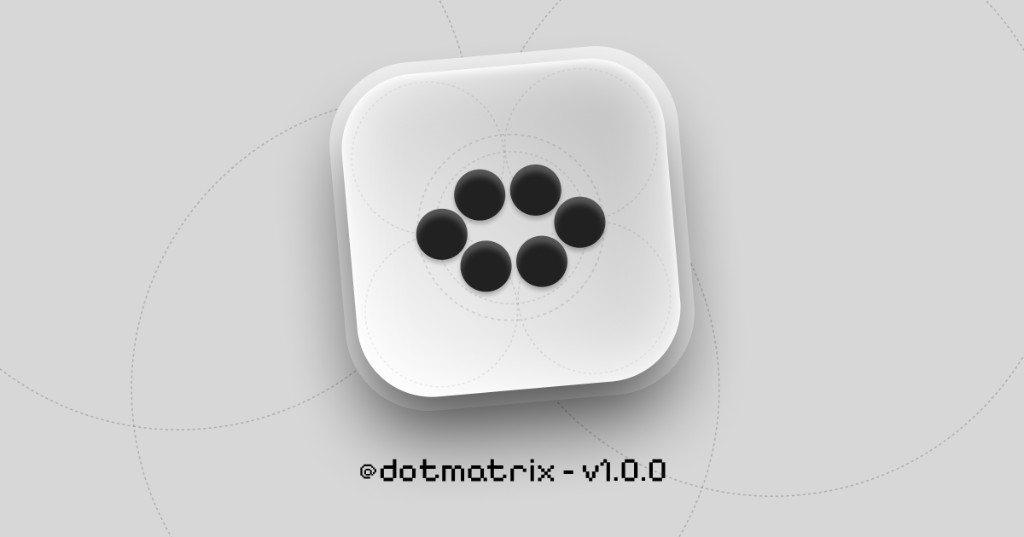
The Dot Matrix project just released a catalog of 55+ open‑source dot‑matrix loaders, each installable with a single npx command such as npx shadcn@latest add @dotmatrix/dotm-square-3 Dot Matrix.
A quick inventory of what’s included
The library ships ready‑made components like Neon Drift, Pulse Ladder, Core Spiral, and Infinity Run. All are written in React with TypeScript, styled via Tailwind CSS, and use the shadcn component primitives. Because the code is copy‑and‑paste ready, you can drop a loader into any existing React app without additional scaffolding.
Plug‑in workflow
- Run the
npxcommand for the desired loader. - The script adds the component files to your project and updates your Tailwind config.
- Import the component and render it – no further setup required.
Because the package relies on the same stack you likely already have (React, TypeScript, Tailwind), integration is frictionless. The components are also tree‑shakable, so unused loaders should not bloat your bundle.
Caveats to consider
- Ecosystem lock‑in – The loaders depend on shadcn’s UI primitives; if you’re not using shadcn, you’ll need to add it, which adds another dependency.
- Bundle impact – While tree‑shaking helps, importing many loaders can still increase the final JavaScript payload, especially on low‑end devices.
- Maintenance – The collection is community‑driven, so individual loaders may receive irregular updates. Keep an eye on the repository for bug fixes.
When it makes sense to try it
If you need a quick visual indicator for loading states and already run a React + Tailwind stack, pulling in a single loader is faster than building one from scratch. Start with a lightweight option like Braille Beat and measure its impact on bundle size before committing to larger, animation‑heavy loaders.
What to watch: monitor the project’s GitHub activity for new loaders and any breaking changes to shadcn compatibility. If your app’s performance budget is tight, benchmark a few loaders in isolation before adopting them broadly.